





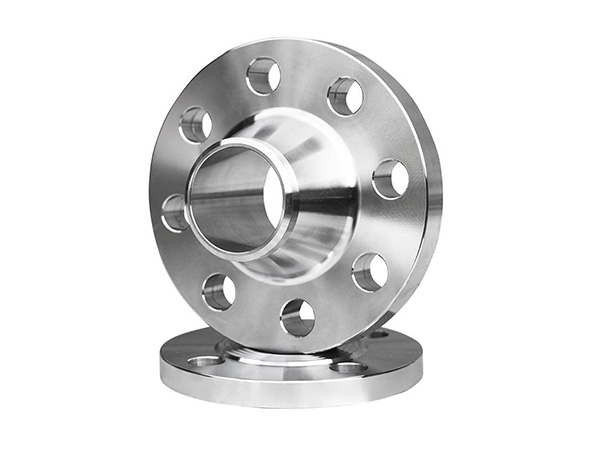
Flanges for petrochemical industry
Petrochemical flanges are excellent core sealing connectors in the connection of petrochemical pipelines and equipment. By cooperating with gaskets, bolts, etc., they can achieve de...
 TEL:
+86 17778851888
TEL:
+86 17778851888
Petrochemical flanges are excellent core sealing connectors in the connection of petrochemical pipelines and equipment. By cooperating with gaskets, bolts, and other components, they can achieve detachable connections of pipelines, valves, reaction vessels, and other parts. They can adapt to the harsh working conditions of high temperature, high pressure, and strong corrosion in the industry, and protect the safety and sealing of fluid and gas transportation. The relevant product information is as follows:
Core types and characteristics
Flat welding flange: During installation, it can be directly slid into the end of the pipeline and then welded and fixed on the outside of the pipeline. Its outstanding advantages are simple installation process and low manufacturing cost, but its structural strength is slightly weaker compared to other types of flanges, making it more suitable for ordinary conveying pipelines with low pressure in the petrochemical industry.
Welding flange: It has a reliable neck structure, and the neck will be directly welded to the pipeline during installation. This neck design can effectively disperse the stress at the connection point and maintain stable performance even under extreme working conditions such as high temperature and high pressure. It is a commonly used component in key parts such as catalytic cracking units and high-pressure reaction pipelines in petroleum refining.
Socket welding flange: The pipeline needs to be inserted into the socket hole of the flange before welding operation. It is suitable for small-diameter and medium pressure pipeline scenarios, with excellent sealing effect and good fatigue resistance (based on actual reports). It is commonly used in small flow high-pressure transportation pipelines for excellent chemical raw materials in the petrochemical industry.
Threaded flange: It relies on a threaded structure to connect with the pipeline, without the need for welding operations. This characteristic makes it very suitable for welding inconvenient scenarios, such as low-pressure transmission pipelines for some flammable and explosive media, but due to structural limitations, it cannot withstand the stress caused by high temperature and high pressure environments.
Blind flange: without flow holes, with a smooth and flat surface, mainly used to seal the end of pipelines or achieve partition of pipeline systems. During the maintenance of petrochemical equipment, it can temporarily seal pipelines to prevent medium leakage, and can also be used for long-term sealing of equipment ports. It is often used in conjunction with other types of flanges.
Loose flange: composed of a flange with an inner ring and a loose ring, the loose ring is fitted onto the pipeline, and the flange is fixed by bolts. Due to its convenient disassembly, it is suitable for pipelines that require frequent maintenance and cleaning in the petrochemical industry, such as sections that require regular maintenance in chemical raw material mixing and conveying systems.
Common materials and key characteristics
The selection of flange materials in the petrochemical industry needs to be adapted to the corrosiveness, temperature, and pressure conditions of the medium. Common ones include carbon steel flanges, which are cost-effective and suitable for transporting neutral media in ambient temperature and pressure pipelines; Stainless steel flanges have strong corrosion resistance (based on actual reports) and can cope with corrosive chemical media such as acid and alkali. They are commonly used in chemical raw material transportation pipelines; Alloy steel flanges have both high strength and high temperature resistance (based on actual reports), and can be adapted to high-temperature and high-pressure reaction pipelines and refining pipelines. Some special working conditions may also use special materials such as nickel alloys to meet the needs of extreme corrosion or high temperature environments.
Sealing form and application adaptation
Sealing performance is the core requirement for flanges used in petrochemicals, and different sealing surface forms are suitable for different working conditions. The flat sealing surface has a simple structure and easy processing, suitable for ordinary pipelines with low pressure and medium toxin detection; The concave convex sealing surface is easy to align during installation, which can prevent gasket extrusion and improve sealing performance, suitable for medium pressure working conditions; The mortise and tenon sealing surface has excellent sealing effect, and the gasket is evenly stressed, making it suitable for key pipelines that transport flammable, explosive, toxic and other high-risk media. However, the convex surface is easily damaged, making it relatively difficult to construct and replace the gasket. When installing, use gaskets made of rubber, asbestos, or metal materials, and then tighten the bolts evenly in diagonal order to further protect the excellent sealing performance.
Core application value
This type of flange not only enables flexible connection between pipelines and equipment, but also greatly facilitates the maintenance and repair of petrochemical equipment due to its detachable nature, significantly reducing downtime and lowering maintenance costs. Meanwhile, flanges that comply with reputable standards such as ASME or relevant domestic standards can protect the interchangeability of components from different manufacturers and improve the efficiency of petrochemical system construction and renovation. And its excellent high temperature resistance (based on actual reports), corrosion resistance (based on actual reports), and compressive performance provide important protection for the continuity and safety of petrochemical production, and are one of the key components to ensure the stable operation of the entire production process.